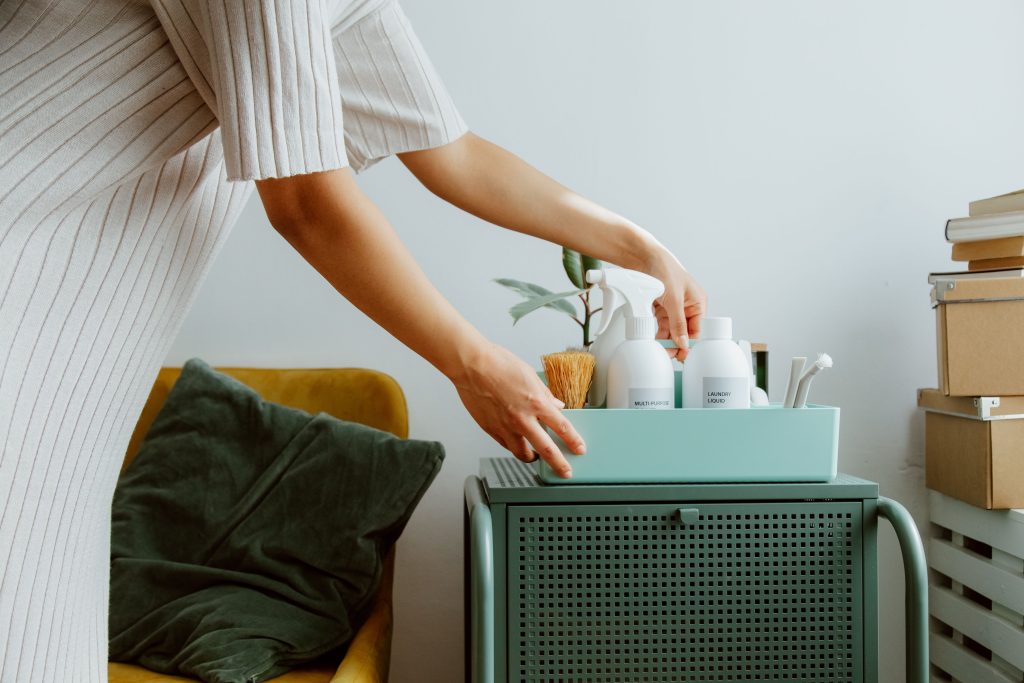
Key Takeaways
- Start organizing one small area at a time instead of trying to declutter the entire home at once.
- Remove unused, damaged, duplicate, or unnecessary belongings before purchasing new storage products.
- Give frequently used items permanent homes based on where they are naturally used.
- Make better use of closets, cabinets, walls, doors, and vertical space without overcrowding rooms.
- Control paper and surface clutter with simple systems for sorting, filing, recycling, and storage.
- Use bins, baskets, and labels with clear purposes rather than using containers to hide miscellaneous clutter.
- Maintain organization with regular donation routines and quick daily resets that return items to their proper places.
An organized home can make everyday life easier. When you know where things belong, you spend less time looking for keys, sorting through piles, or moving clutter from one surface to another. Rooms may also feel calmer and easier to clean.
Getting organized does not mean making your home look like a perfectly staged photo. Real homes contain clothes, food, paperwork, toys, tools, electronics, and other items people use every day. The goal is to create simple systems that make those things easier to store and find.
Clutter usually builds gradually. A few unopened packages collect near the door. Papers cover part of the counter. Clothing piles up on a chair. Before long, small problem areas can make the entire home feel disorganized.
Trying to fix everything in one weekend can be overwhelming. A more practical approach is to work through the home in smaller sections, reduce unnecessary belongings, and create storage based on your actual routines.
Here are useful ways to organize your home, control clutter, and build systems you can maintain.
1. Start With One Small Area
When several rooms feel cluttered, deciding where to begin can be difficult.
Instead of organizing the entire house at once, choose one manageable area. This could be a kitchen drawer, bathroom cabinet, nightstand, entryway, or one section of a closet.
Remove everything from that specific area and look at what you have.
Decide which items belong there, which should move somewhere else, and which you no longer need. Clean the empty space before putting anything back.
Starting small gives you a clear stopping point. It also allows you to complete an area before moving to another project.
Once one space works well, continue to the next.
Avoid emptying several closets or cabinets at the same time unless you have enough time to finish them. Otherwise, you may create larger piles that make the house feel even more cluttered.
Small improvements can eventually add up to major changes.
2. Remove Items You No Longer Use
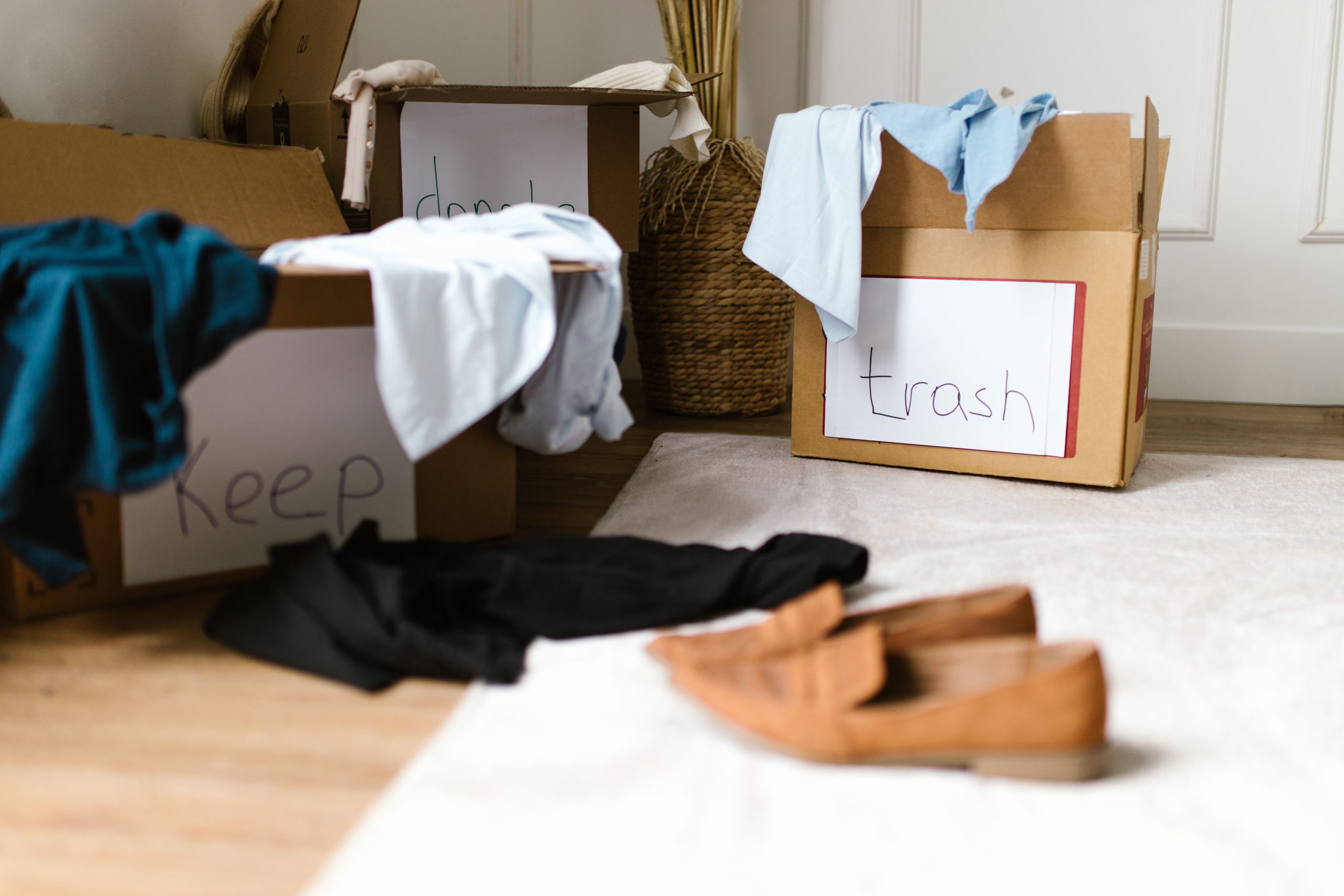
Organization becomes much harder when you are trying to store too many belongings.
Before buying bins, baskets, or shelving, decide what actually deserves space in your home.
Sort belongings into simple categories. Keep items you use, need, or genuinely value. Donate or sell useful things you no longer want. Recycle or properly dispose of damaged items when appropriate.
Be especially careful with duplicates.
You may discover several nearly identical kitchen tools, old charging cables, extra towels, or cleaning products that have accumulated over time.
Ask yourself whether you realistically use each item.
Do not keep something only because you might possibly need it someday. Consider how difficult or expensive it would be to replace if that unlikely need actually occurs.
Decluttering does not require getting rid of everything sentimental or decorative. The purpose is to create enough space for the belongings that matter and make everyday storage easier.
3. Give Frequently Used Items a Permanent Home
Many clutter problems happen because objects do not have assigned storage locations.
If you regularly leave your keys, wallet, sunglasses, or mail on the kitchen counter, create a designated place for them near the entrance.
Use hooks for keys, a small tray for personal items, and a container or folder for incoming papers.
Apply the same idea throughout the house.
Remote controls can have a basket near the sofa. Cleaning supplies can stay in a designated cabinet. Reusable shopping bags can be stored near the door or in the car.
Choose locations based on where you naturally use or remove items.
A storage system is more likely to work when it follows your existing habits. If you always take off your shoes near the front door, placing shoe storage in a distant bedroom closet may not solve the problem.
Convenient storage makes putting things away easier.
4. Create an Entryway Drop Zone
The entrance to a home often becomes a collection point for everyday clutter.
Shoes, backpacks, coats, packages, keys, and shopping bags may all end up near the door.
Create a simple drop zone to contain these items.
Depending on your available space, you might use wall hooks, a narrow console, shoe rack, bench, basket, or small cabinet.
Give each household member a specific hook or basket if that makes the system easier to follow.
Avoid allowing the entryway to become permanent storage. Seasonal coats, extra shoes, and rarely used bags can be moved elsewhere.
A small trash or recycling container for unwanted mail may also prevent papers from traveling farther into the home.
The goal is to make entering and leaving the house smoother. When commonly used items have a predictable location, mornings can become less stressful and clutter is less likely to spread into other rooms.
5. Organize Storage Around Daily Routines
The best storage systems support the way your household actually functions.
Think about what happens in each room throughout the day.
In the bathroom, keep daily products within easy reach and store backups separately. In the kitchen, place frequently used cooking tools near food preparation areas.
In bedrooms, keep laundry baskets where clothing usually gets removed rather than wherever a basket looks best.
This approach can also help with household maintenance. A folder, cabinet, or digital system for property service planning can keep repair records, maintenance schedules, warranties, and contractor information from becoming scattered across drawers and countertops.
Do not create complicated systems that require several steps to put something away.
If opening multiple boxes and moving other objects is necessary every time you need an item, you may eventually stop using the system.
Simple storage is usually easier to maintain.
6. Make Better Use of Vertical Space
When floor and cabinet space are limited, look upward.
Walls, doors, and the upper portions of closets can provide valuable storage.
Wall-mounted shelves can hold books, decorative objects, or supplies. Hooks can store bags, hats, kitchen tools, or cleaning equipment.
Over-the-door organizers may be useful in bedrooms, bathrooms, pantries, or closets.
Inside cabinets, shelf risers can create additional levels. Vertical dividers can organize baking sheets, cutting boards, files, or lids.
Tall shelving units can also provide more storage without using much additional floor space.
However, avoid filling every wall simply because space is available. Too much visible storage can make a room feel crowded.
Use vertical storage strategically, especially for items that are difficult to fit into existing cabinets and closets.
Keep heavy objects on lower shelves and make sure wall-mounted storage is installed securely.
7. Control Paper Before It Becomes a Pile
Paper clutter can grow surprisingly quickly.
Mail, receipts, school papers, bills, instruction manuals, and appointment reminders often end up on counters or tables.
Create a simple process for handling paper as soon as it enters the home.
Recycle junk mail immediately. Place documents that require action in one designated location. File important records that need to be kept.
Some documents can be stored digitally if that works for your household. Follow appropriate security practices when saving sensitive financial, medical, or personal information.
Avoid creating too many filing categories. A complicated system can make filing feel like another difficult chore.
Review your paper storage regularly and remove documents that no longer need to be kept, following any applicable record-retention requirements.
For receipts, decide which ones are actually necessary for warranties, taxes, returns, or budgeting.
The less unnecessary paper you keep, the easier important documents become to find.
8. Organize Closets by What You Actually Wear
A crowded closet can make getting dressed harder.
Start by removing clothing that no longer fits, is badly damaged, or has not been worn for a long time.
Keep exceptions for items that have a specific purpose, such as formal clothing or seasonal gear.
Group similar clothing together. Shirts can stay with shirts, pants with pants, and jackets with jackets.
Use consistent hanger styles if you want a cleaner appearance, but do not replace functional hangers simply for looks unless you want to.
Bins can be useful for accessories, workout gear, or seasonal items. Shelf dividers may help keep folded clothing from collapsing into piles.
Store the clothing you wear most often at easy-to-reach heights.
Seasonal items can be rotated if closet space is limited.
Most importantly, leave some open space. A closet packed completely full is difficult to maintain because every item requires effort to remove and replace.
9. Use Containers With a Clear Purpose
Bins and baskets can be helpful, but buying too many organizers can create a new type of clutter.
Before purchasing containers, decide exactly what each one will hold.
Measure the shelf, drawer, or cabinet where the organizer will go. This prevents you from buying products that waste space or do not fit.
Clear containers are useful when seeing the contents matters. Opaque baskets may create a cleaner look in open shelving.
Labels can help household members understand where items belong, especially in pantries, playrooms, garages, and shared storage areas.
Avoid using large bins as places to hide unrelated clutter.
A container filled with random objects may make a room look cleaner temporarily, but it does not solve the organization problem.
Every container should have a specific purpose. When the container becomes full, review its contents instead of immediately buying another one.
10. Reduce Clutter on Flat Surfaces
Counters, dining tables, dressers, and desks naturally attract clutter.
Because these surfaces are easy to reach, they often become temporary storage areas.
Choose what is allowed to remain on each surface.
A kitchen counter might hold a coffee maker and fruit bowl. A nightstand may need only a lamp, book, and charging station.
Use trays to group small objects when appropriate. A tray can make several items appear more intentional while creating a clear boundary for how much can stay on the surface.
If something repeatedly appears in the same place, ask why.
You may need storage nearby rather than constantly carrying the item somewhere else.
Try to leave part of each surface completely open. Empty space makes rooms look cleaner and gives you room to complete everyday tasks.
A clear dining table, for example, is ready for meals without requiring a cleanup session first.
11. Create a Regular Donation Routine

Decluttering becomes easier when unwanted belongings have a clear way to leave the house.
Keep a donation box or bag in a closet, laundry area, or other convenient location.
When you find clothing, books, household items, or toys you no longer need, place them in the container.
Once it becomes full, schedule a time to donate the contents.
Avoid letting donation boxes sit in the house for months. If possible, connect donation trips with another regular errand.
For valuable items you plan to sell, set a deadline. If you have not listed or sold the item within that period, consider donating it instead.
Otherwise, “items to sell” can become another permanent clutter category.
Regularly removing unnecessary belongings prevents them from building into a large decluttering project later.
12. End the Day With a Quick Reset
An organized home still gets messy during normal life.
The difference is that clutter has somewhere to go.
Spend a few minutes at the end of the day returning items to their assigned places. Put shoes away, clear the kitchen counter, return remote controls, gather dishes, and place clothing in the closet or laundry basket.
This does not need to become a full cleaning session.
Focus on restoring the basic organization systems so the next day begins with fewer obstacles.
Other household members can participate by taking responsibility for their own belongings.
A weekly reset can handle larger tasks, such as sorting paperwork, clearing the refrigerator, returning items to different rooms, or emptying the donation box.
Regular maintenance prevents small messes from becoming major organization projects.
The easier your systems are to reset, the more likely you are to maintain them.
Conclusion
Getting organized at home does not require expensive storage systems or perfectly arranged rooms. The most effective approach is usually to reduce unnecessary belongings and create simple places for the things you use.
Start small instead of trying to reorganize the entire house at once. Remove items that no longer serve a purpose, give frequently used belongings permanent homes, and arrange storage around your everyday routines.
Use closets, cabinets, walls, and containers thoughtfully rather than filling every available space. Keep paper under control, reduce clutter on flat surfaces, and create an easy process for donating things you no longer need.
Remember that organization requires maintenance. Even a well-organized home will become messy when people are cooking, working, relaxing, and completing normal daily activities.
A short daily reset can prevent that temporary mess from becoming long-term clutter.
The goal is not perfection. It is creating a home where important items are easier to find, rooms are easier to use, and cleanup takes less effort. With simple systems and consistent habits, you can reduce everyday clutter and create a home that feels more comfortable and manageable.